
Digital vs analog moisture meter is one of the most searched comparisons among professionals and DIY users. Choosing the right moisture meter improves measurement accuracy and prevents expensive mistakes. Moreover, the correct device saves time during inspections. Whether you work in construction, woodworking, agriculture, or home maintenance, understanding the differences helps you make a smart investment.
This guide compares both types in detail. Additionally, it highlights their features, advantages, disadvantages, and ideal applications in India.
What Is a Moisture Meter?
A moisture meter measures the moisture content inside different materials. It helps users detect hidden moisture before damage becomes serious. Therefore, it plays a vital role in inspections and quality control.
Professionals commonly use moisture meters for:
Wood inspection
Building construction
Flooring installation
Agriculture
Furniture manufacturing
Water damage restoration
Home inspection
Moisture meters generally come in two types:
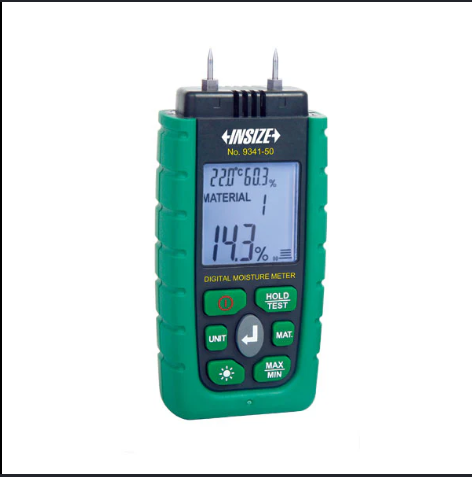
Digital moisture meter
Analog moisture meter
Digital Moisture Meter
A digital moisture meter displays readings on an electronic LCD screen. It uses advanced sensors to deliver precise measurements. Furthermore, many models include additional features for professional applications.
Advantages of a Digital Moisture Meter
- Highly accurate moisture readings
- Easy-to-read digital LCD display
- Fast and instant measurement results
- Excellent repeatability and consistency
- Built-in memory for storing readings
- Auto calibration in premium models
- Backlit display for low-light conditions
- Multiple measurement modes for different materials
Disadvantages of a Digital Moisture Meter
- Higher purchase cost than analog models
- Requires batteries for operation
- Electronic components need careful handling and maintenance
Digital moisture meters are ideal for professionals who require reliable and consistent results.
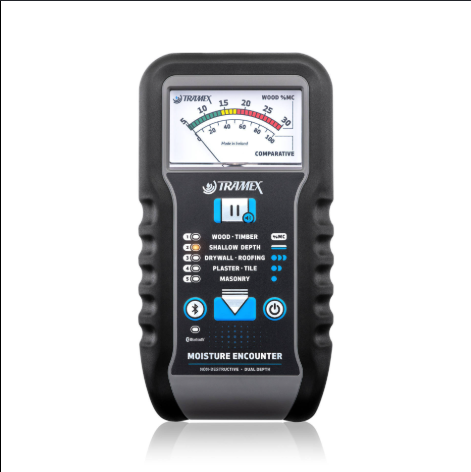
Analog Moisture Meter
An analog moisture meter uses a needle gauge instead of a digital screen. It operates through mechanical movement and basic electrical circuits.
Advantages of an Analog Moisture Meter
- Lower initial purchase cost
- Simple and easy-to-use operation
- No complex electronic components
- Durable under basic working conditions
- Suitable for occasional moisture testing
Disadvantages of an Analog Moisture Meter
- Lower measurement accuracy
- Difficult to read small moisture variations
- Limited measurement range
- No data storage capability
- Fewer advanced features compared to digital models
Key Differences Between Digital and Analog Moisture Meters
Feature- Digital Moisture Meter
Display LCD- Digital Screen
Accuracy- Very High
Reading Speed- Fast
Data Storage –Available
Battery Requirement- Yes
Calibration- Easy
Ease of Reading- Excellent
Price- Medium to High
Analog Moisture Meter
Needle Dial
Moderate
Average
Not Available
Sometime
Manual
Moderate
Low
Why Digital Moisture Meters Are Becoming Popular in India
Technology has transformed inspection equipment. Consequently, digital moisture meters have become the preferred choice across multiple industries.
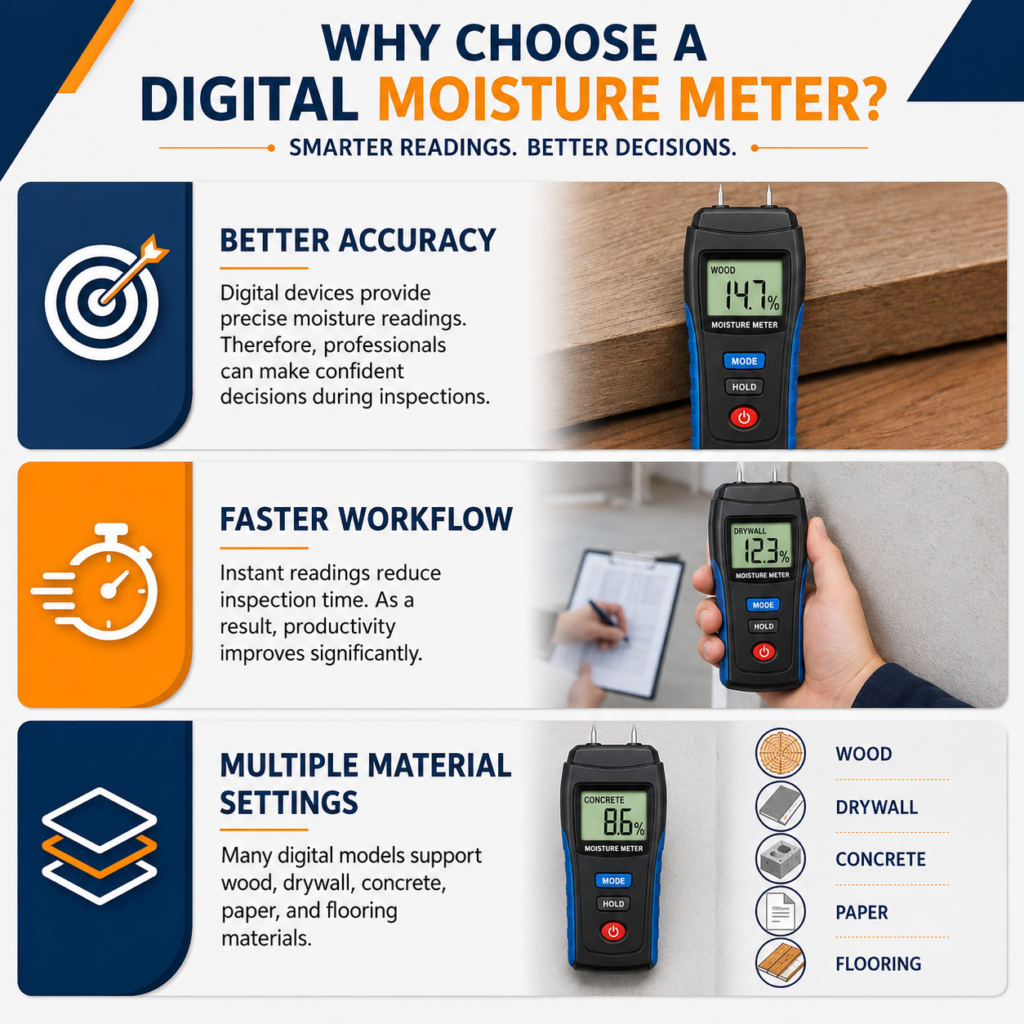
Better Accuracy
Digital devices provide precise moisture readings. Therefore, professionals can make confident decisions during inspections.
Faster Workflow
Instant readings reduce inspection time. As a result, productivity improves significantly.
Multiple Material Settings
Many digital models support wood, drywall, concrete, paper, and flooring materials.
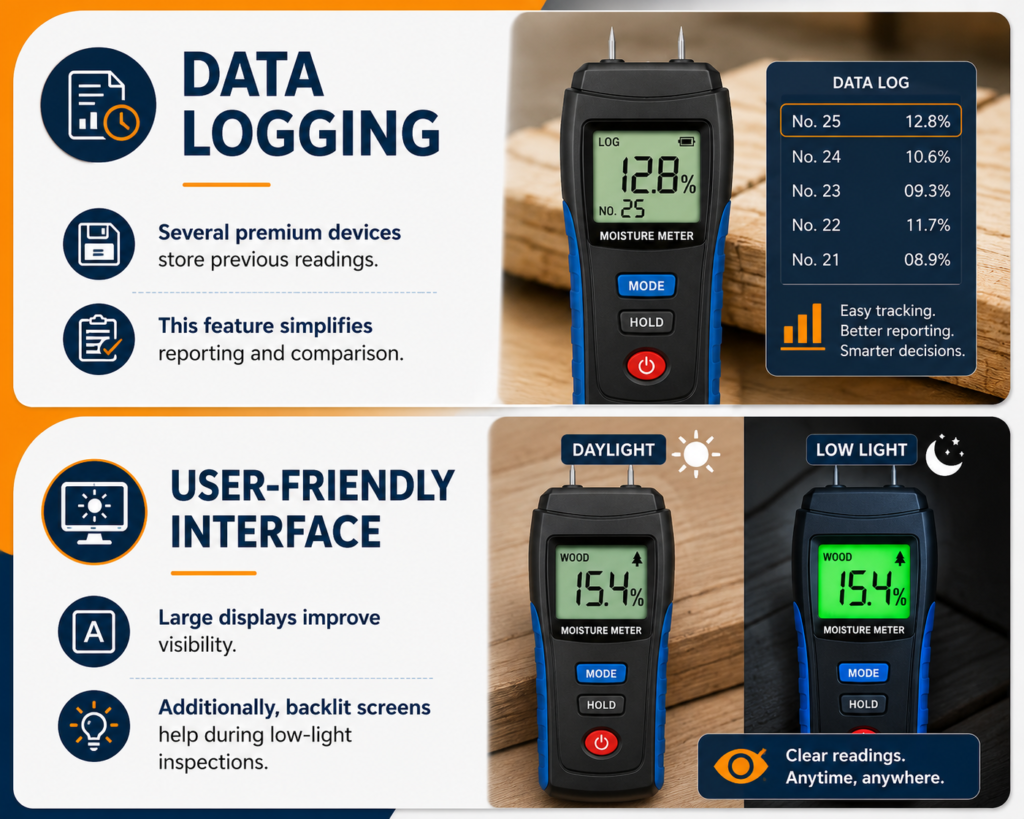
Data Logging
Several premium devices store previous readings. This feature simplifies reporting and comparison.
User-Friendly Interface
Large displays improve visibility. Additionally, backlit screens help during low-light inspections.
Where Analog Moisture Meters Still Perform Well
Despite modern technology, analog meters continue serving specific users.
They are suitable for:
Small workshops
Homeowners
Hobby woodworking
Basic moisture checking
Educational purposes
Their simple design attracts users who need occasional measurements without advanced features.
Applications of Moisture Meters in India
Moisture meters serve many industries. Therefore, selecting the right type depends on your application.
Construction
Builders inspect walls before painting. They also check concrete moisture before flooring installation.
Woodworking
Carpenters verify wood moisture before manufacturing furniture. Consequently, they reduce cracking and warping.
Agriculture
Lorem ipsum dolor sit amet, consectetur adipiscing elit. Ut elit tellus, luctus nec ullamcorper mattis, pulvinar dapibus leo.
Home Inspection
Inspectors identify hidden leaks inside walls and ceilings before serious structural damage occurs.
Flooring Industry
Professionals confirm moisture levels before installing hardwood or laminate flooring.
How to Choose the Best Moisture Meter
Buying the right moisture meter depends on several factors.
- Consider Accuracy – Choose a moisture meter that provides precise and reliable readings.
- Evaluate Display Quality – A large, backlit digital display improves visibility and reduces reading errors.
- Check Battery Life – Longer battery life ensures uninterrupted inspections and less frequent battery replacement.
- Verify Material Compatibility – Select a model designed for the materials you test, such as wood, concrete, drywall, paper, or agricultural products.
- Assess Build Quality – A durable, rugged construction helps the meter withstand demanding field and job-site conditions.
Digital Moisture Meter or Analog Moisture Meter: Which One Is Better?
The answer depends on your requirements.
Choose a digital moisture meter if you need:
- Professional Inspections – Ideal for construction, restoration, and building inspection professionals.
- High Accuracy – Delivers precise moisture measurements for reliable decision-making.
- Fast Readings – Provides instant results to improve inspection efficiency.
- Data Storage – Stores previous measurements for easy reporting and comparison.
- Multiple Material Modes – Supports testing of wood, concrete, drywall, paper, flooring, and more.
- Frequent Usage – Built for regular, long-term use in demanding work environments
Choose an analog moisture meter if you need:
Budget-friendly equipment
Basic moisture testing
Occasional home use
Simple operation
For most professionals in India, digital models offer better value over the long term. Although they cost more initially, they deliver greater reliability and efficiency.
Maintenance Tips for Moisture Meters
Proper maintenance improves performance and extends equipment life.
- Store in a Dry Place – Keep the moisture meter in a clean, dry environment when not in use.
- Replace Batteries Regularly – Change batteries as needed to maintain consistent performance.
- Keep Sensor Pins Clean – Wipe the pins after use to ensure accurate readings.
- Avoid Dropping the Device – Handle the meter carefully to prevent internal damage.
- Calibrate When Required – Follow the manufacturer’s calibration instructions for reliable measurements.
- Protect the Display – Prevent scratches by storing the meter in a protective case.
- Use the Correct Measurement Mode – Select the appropriate mode for the material being tested.
- Clean After Every Inspection – Remove dust, dirt, and moisture from the device after each use.
Regular maintenance ensures consistent and accurate readings.
Common Mistakes to Avoid
Many users reduce measurement accuracy through improper usage.
Avoid these mistakes:
- Testing Dirty Surfaces – Clean the surface before testing to ensure accurate readings.
- Ignoring Calibration – Calibrate the meter regularly for consistent performance.
- Using Incorrect Material Settings – Select the correct mode for the material being tested.
- Measuring with Damaged Sensor Pins – Replace worn or bent pins to maintain accuracy.
- Storing the Meter in Humid Conditions – Keep the device in a dry place to protect its electronics.
- Reading Results Too Quickly – Allow the reading to stabilize before recording the measurement.
Following best practices improves measurement reliability.
Frequently Asked Questions
Is a digital moisture meter more accurate than an analog moisture meter?
Yes. Digital moisture meters generally provide higher accuracy and better consistency.
Which moisture meter is best for woodworking?
Digital moisture meters are recommended because they provide precise wood moisture measurements.
Can homeowners use digital moisture meters?
Yes. Many beginner-friendly models are simple to operate and offer excellent accuracy.
Are analog moisture meters still useful?
Yes. They remain suitable for basic inspections and occasional use.
Which moisture meter offers better value?
Digital moisture meters provide better long-term value due to their advanced features and higher accuracy.
Conclusion
When comparing digital vs analog moisture meter, digital models clearly outperform analog devices in accuracy, speed, usability, and advanced functionality. Moreover, they support a wider range of materials and simplify professional inspections. Analog moisture meters still serve basic applications well, especially for budget-conscious users. However, professionals working in construction, woodworking, agriculture, flooring, or restoration should invest in a quality digital moisture meter for dependable performance. Choosing the right device today helps prevent costly errors, improves efficiency, and ensures reliable moisture measurements for years to come.